Neurogenesis Diet And Lifestyle Pdf
The neurogenesis diet and lifestyle Download Book The Neurogenesis Diet And Lifestyle in PDF format. You can Read Online The Neurogenesis Diet And Lifestyle here in PDF, EPUB, Mobi or Docx formats. The Neurogenesis Diet And Lifestyle Author: Brant Cortright, Ph.d. Additional resources for The Neurogenesis Diet and Lifestyle. Example text. It is known both as the “sunshine vitamin” and the “happiness vitamin,” but vitamin D deficiency is still widespread. It is an antioxidant, anti-inflammatory, and neuroprotective. ) Low levels of vitamin D are linked to depression, diabetes, and dementia. How to produce more brain cells by increasing your rate of neurogenesis. Based on the book titled “The Neurogenesis Diet & Lifestyle” by Brant Cortright - Ge.
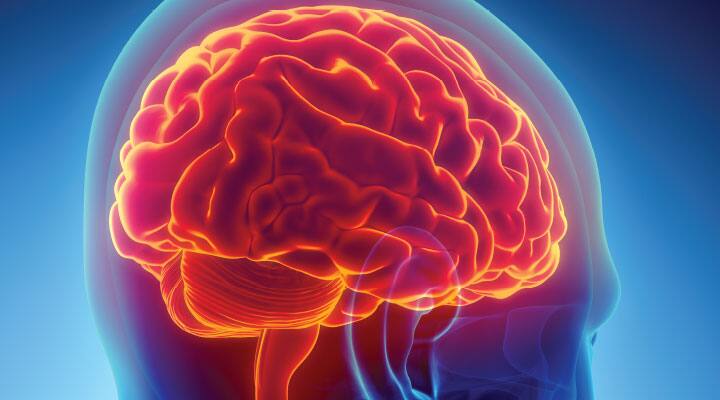
You and everyone you know has a vast, untapped potential to live more fully. But to realize your greatest potential your brain must operate at its highest level.The key to tapping this potential is neurogenesis, the process of creating new neurons, or brain cells. Neurogenesis is how the brain renews and upgrades itself.Understanding neurogenesis is the most revolutionary discovery of neuroscience in the past century. Although there is still much to be learned, recent studies have revealed that the process can be enhanced and encouraged by individual lifestyle choices. This article focuses on foods and supplements that promote neurogenesis and brain health. A growing body of research shows that, beyond increasing neurogenesis, and Alzheimer’s.
The Neurogenesis Diet: Supplements and Foods to Rejuvenate Your Brain From the Inside OutAll of the foods and nutrients in the neurogenesis diet are available as extracts. This makes including these in your diet more economical and practical. For example, a daily diet that includes fresh blueberries can be pricey, but two capsules of blueberry extract is much more affordable and easier to keep in the house. The following foods, nutrients and supplements have been shown to increase neurogenesis ( Note: The most potent neurogenesis enhancing foods and supplements are outlined below, however, for a complete list of over 37 foods and supplements that are part of the neurogenesis diet, please see Brant’s book )Many of these foods, nutrients and supplements in the neurogenesis diet may be taken daily or several times a week. With some of them, taking the right amount is crucial; taking too much can have the opposite effect on brain function. Some even cause certain sensitive people to feel speedy or anxious or, with other nutrients, slow and drowsy.Just because these are naturally occurring substances doesn’t mean they are free of side effects.
As with any nutritional information, you should check with your physician or healthcare professional for neurogenesis dietary advice for your particular body. Please read the narrative about each item before trying it out.Again, it’s important to experiment to see what foods, diet and neurogenesis supplements work for you.
Neurogenesis Diet And Lifestyle Pdf Plan
There is no “one size fits all” rule for nutrition. Each person has a unique metabolism and reacts differently than anyone else, and this is of course true with the neurogenesis diet as well.For example, although some of these things in the neurogenesis diet I consume every day, others I can’t take at all because they either make me speedy or cloud my mind. I don’t think they are harming me, but I simply don’t like the way they make me feel.
Each person needs to experiment and decide what works and what doesn’t. The Superstars: Blueberries, Omega-3s, Green Tea and CurcuminThe four most outstanding foods for increasing neurogenesis are blueberries, omega-3 fatty acids, green tea and curcumin. It’s worth considering making these a part of your regular neurogenesis diet. BlueberriesIt’s hard to sing blueberries’ praises highly enough. Blueberries act in so many ways to promote neurogenesis and protect the brain from cognitive decline that if blueberries were a drug, pharmaceutical companies would be bombarding us with ads to entice us to with this neurogenesis supplement “miracle drug.”Numerous studies show adding blueberries to the daily neurogenesis diet of mice increases neurogenesis significantly. Further, blueberries seem to protect against cognitive decline, inflammation, oxidation (free radical damage), radiation, and glycation. Generally it takes different substances to protect against any one of these things.
That blueberries have so many effects is little short of astounding. Consuming about a cup a day is the equivalent human portion that animal studies have suggested. Blueberries are packed with polyphenols, especially flavonoids called anthocyanins that stimulate neurogenesis through your diet. More specifically the anthocyanin dye, which causes the dark blue color, crosses the blood-brain barrier to stimulate neurogenesis. This anthocyanin dye is also present in black currents, blackberries, and bilberries, though these have not been studied as extensively.Blueberries have been shown to reverse cognitive decline in both humans and animals.
Mice bred to develop Alzheimer’s showed improvements in memory when fed blueberries, and two neuroprotective chemicals were higher in these mice. Humans with cognitive decline showed improvements after consuming blueberries daily.
Aside from increasing neurogenesis, blueberries allow better communication among neurons, something called signal transduction, and they also protect against brain injury, stroke, certain neurotoxins, excitotoxicity, and so may help with Parkinson’s, MS, and other neurodegenerative diseases as well.An entire chapter could be written on the glories of blueberries outside of a neurogenesis diet, for they have other health benefits as well, helping with heart and cardiovascular health, colon and digestive health, cancer protection,. A cup of blueberries a day may keep cognitive decline away.Studies have shown that blueberry extracts are as effective as fresh blueberries. In most animal studies it’s the extract that is used in a neurogenesis diet. This makes daily blueberry intake possible for those who don’t have access to fresh blueberries. Conscious Lifestyle RecommendsAn ultra-high quality, antioxidant rich organic wild blueberry concentrate, free from preservatives, fillers, artificial colorings, soy or stearates.2. Omega-3sAnother neurogenesis is the complex of omega-3 fatty acids, found in abundance in cold water fish, including wild Alaskan salmon, coho and sockeye salmon, black cod, sablefish, sardines, and herring. Omega-3s have been shown to dramatically increase neurogenesis and BDNF levels.Neuroscience researcher Sandrine Thuret, Ph.D., of London’s Kings College, reported a 40% increase in neurogenesis by adding omega-3’s in Science Daily in 2007.
Other studies on the neurogenesis diet have shown equally impressive gains in neurogenesis, elevated BDNF levels, increased in brain size, and neuroprotective benefits from omega-3 supplements.Our brains are made up of about 60% fat. DHA, one of the most important of the omega-3s, constitutes about 30% of the brain’s cerebral cortex. In the ongoing tearing down, replacing, and rebuilding of our, we want to consume high quality fats in order to continuously rebuild our brains with the best fats possible. Omega-3s are the highest quality fats for brain development. A diet high in unhealthy or “bad” fats slows down neurogenesis but a neurogenesis diet high in healthy or “good” omega-3s increases neurogenesis to a higher level. 20 More about unhealthy fats later in this chapter.Omega-3s work in a number of ways besides increasing neurogenesis. They build up bigger, more functional brains by increasing neurite growth, increasing neurotransmitter release, and protecting against inflammation and oxidation.
A startling new finding shows monkeys with an omega-3 rich neurogenesis diet exhibit well organized neural networks, much like human beings, whereas monkeys with a more limited omega-3 diet show far more limited neural networking. The implications of this for humans are enormous.Omega-3 supplements in a neurogenesis diet have been shown to help heal and repair traumatic brain injury. There are seven documented cases of successful healing of traumatic brain injury with high doses of omega-3s in the medical literature.
“If you have a brick wall and it gets damaged, wouldn’t you want to use bricks to repair it?” asked Dr. Michael Lewis, founder of the Brain Health Education and Research Institute. “By using omega-3 fatty acids in substantial doses, you provide the foundation for the brain to repair itself.”Further, omega-3s have been shown to be as or more effective than prescription SSRI antidepressant medication in treating depression. Omega-3 fatty acids have three compounds that are most important: ALA, DHA, EPA. These three play critical roles in neuron growth, composition, and communication. It is possible to obtain one of the essential fatty acids (ALA) from vegetarian sources, generally flax oil, and the body can convert this to the other two critical fatty acids (EPA and DHA). This conversion, however, is extremely inefficient compared to a well-rounded supplementation protocol and neurogenesis diet.
According to the Pauling Institute at Oregon State University, 8% is converted to EPA and 0–4% is converted to DHA in healthy young men.Some people’s systems do not manage even this conversion rate, and the process deteriorates with age. This is why fish oil is recommended as the best source for omega-3s in a neurogenesis diet, although new sources from algae have recently appeared for vegetarians. Vegans and vegetarians have significantly lower levels of DHA in their bodies, which is a cause for concern. Supplementing with flax oil alone has shown increased EPA levels but not increased levels of the more important DHA. The newer, supplemental algae sources have, however, been shown to increase DHA levels.When obtaining omega-3s in capsule form, it is preferable to buy molecularly distilled products, to ensure that no mercury or other heavy metal contamination is present, as well as only trace amounts or less of PCBs. Look for a high amount of DHA in the capsule as well as EPA for the sake of your neurogenesis diet. While this is also an expensive neurogenesis supplement, there is no better financial investment than your own brain.
Many capsules are 1,000 mg (1 gram) and commonly recommended amounts are 2–4 grams a day for maintenance, 4–6 grams a day for depression. Conscious Lifestyle RecommendsHands down the worlds freshest, purest, most potent, best-tasting fish oil. Cold-pressed from fresh, wild Alaskan Salmon and free of all heavy metals, preservatives and adulterants.
Exceptionally rich in naturally occurring Vitamin D (which also has been shown to promote neurogenesis).3. Green teaGreen tea contains polyphenols, the most powerful of which is epigallocatechin gallate (EGCG), a type of catechin. Green tea’s polyphenols have been shown to increase neurogenesis, BDNF levels, and to have strong health benefits ranging from cancer prevention to fat loss, plus cardiovascular benefits, immunity improvement, and glucose reduction.
30-33 ECGC and green tea’s other polyphenols not only increase neurogenesis but, like blueberries and omega-3s, exert powerful antioxidant and antiinflammatory effects as well. Green tea has clear cognitive benefits as a supplement in a neurogenesis diet and even improves working memory, which is one of the most difficult functions to increase.It’s important to remember that although green tea has less caffeine than regular tea, usually half or a third as much, this amount is still stimulating, although it may seem less so because of L-theanine, one of the polyphenols present in green tea that produces relaxation and also increases BDNF levels. Some people like and want caffeine stimulation in their neurogenesis diet while others do not. For those who are sensitive to caffeine or want to avoid it, caffeine-free green tea extracts are available. Look for extracts standardized to at least 40% polyphenols, or even better, 98% polyphenols with 75% catechins and 45% ECGC.Suggested amounts are 300–1,000 mg daily without caffeine.
Higher amounts with caffeine should be monitored for overstimulation. Also, chronic caffeine intake, even in low doses, decreases neurogenesis, so eliminating or reducing caffeine is advised.
You want the equivalent of 3–10 cups of green tea daily but not the equivalent amount of caffeine in your neurogenesis diet. Conscious Lifestyle RecommendsAn ultra-high quality, organic green tea extract rich in polyphenols, catechins and ECGC. Cold-water extracted to preserve sensitive compounds in the tea leaves.4. CurcuminCurcumin provides the yellow color in the.
It has strong neurogenic effects. In addition it is a powerful anti-inflammatory and antioxidant compound.Aging populations who consume curcumin show better cognitive performance. It reduces beta-amyloid and plaque formation in aging humans and has high potential as part of an anti-Alzheimer’s strategy through neurogenesis diet. It has also shown strong antidepressant effects, which naturally follow from decreasing inflammation and increasing neurogenesis.Here again, like so many things, more is not necessarily better in a neurogenesis diet. Too little and there is no effect, but extremely high doses, on the other hand, appear to be toxic to cells. Some people report feeling an analgesic numbness with too much. Just the right, moderate amount bestows highly beneficial effects on the brain, BDNF levels, and neurogenesis.
Typical amounts are 200–1,200 mg daily, so experiment to see what’s right for you.Because it is poorly absorbed, there are several ways to enhance this in your neurogenesis diet. One is to make smaller particles (submicron dispersion technology). Another is to add piperine (a pepper extract) or phospholipids such as lecithin to enhance bioavailability. Research has shown not only increased absorption but also additional antidepressant effects when these are added. Piperine or lecithin can be added to a curcumin or turmeric neurogenesis supplement for little additional cost.
Conscious Lifestyle RecommendsA highly absorbable and bioavailable Organic Tumeric (Curcumin) extract, free from preservatives, artificial colorings, soy or stearates.General Principles of a Neurogenesis DietIt’s been noticed by many researchers that a brain healthy diet is very similar to a heart healthy diet. But a neurogenesis diet is not only, it also protects against stress, depression, and Alzheimer’s. The following principles are guidelines for eating in ways that support neurogenesis and brain health.Plenty of fresh vegetables and fruitsThe best vegetables are those that are non-starchy (low carbohydrate content) with high amounts of fiber.
Fiber gives us a “full” feeling and keeps the intestinal tract moving. Low glycemic fresh fruits, raw, fresh vegetables in salads and cooked vegetables (not overcooked) should provide the bulk of the food in our neurogenesis diet.High quality fatsHealthy fats ideally make up the majority of calories (although not the bulk of food due to their higher caloric content than fruits and vegetables) for most people with good neurogenesis diets. These include:+ omega-3s (from high quality fish high in omega-3s, avoiding those with low omega-3s or high in omega-6s or with high mercury content, flaxseed, grass-fed beef, eggs from pasture-raised chickens)+ monosaturated fats (from extra virgin olive oil, avocadoes, nuts, and seeds)+ medium chain triglycerides (from extra virgin coconut oil)+ saturated fat from (grass-fed meat, pasture-raised eggs and milk, yogurt, cheeses)One healthy fat stands out as superior for many things in a neurogenesis diet: coconut oil. Organic, extra virgin coconut oil is cheap and readily available. It has been shown to improve cognition in Alzheimer’s sufferers. Anecdotal reports show significant improvements in some patients with even advanced Alzheimer’s who ate three tablespoons a day.
Its use as a possible preventative strategy for Alzheimer’s is currently being studied. Some authorities are recommending 1–3 tablespoons daily as a protective strategy for cognitive decline.Coconut oil excels as cooking oil, for it doesn’t oxidize at high temperatures.
Cooking with butter, or even better with clarified butter (called ghee in India) is another safe alternative to vegetable oils that go rancid at even low heat.Reducing unhealthy fats means reducing dangerous oxidized fats, so cook at lower temperatures, do not eat burned or charred meat, overcooked or powdered eggs, or powdered milk in your neurogenesis diet. It also means reducing or eliminating grain-fed conventional beef, certain fish with high mercury content such as: swordfish, marlin, tilefish, shark, ahi and bigeye tuna, as well as fish high in omega-6 such as: tilapia and many farm-raised fish.Further, it involves avoiding trans fats and most vegetable oils except extra virgin olive oil, though again, this is better used cold than for cooking.Low sugar and carbohydrate intakeSugar is more and more being identified as the cause of the obesity epidemic. As noted earlier, high sugar reduces neurogenesis sharply, and even “high normal” blood sugar levels are linked to smaller brain volume, especially in the hippocampus, less gray matter and cognitive decline in those over 60.
Getting blood sugar levels down to lower ranges is important to prevent cognitive decline through your neurogenesis diet. But sugar is only part of the story.All carbohydrates eventually get converted to glucose. White flour and whole wheat flour are converted into sugar in almost the same amount of time, despite whole wheat’s better press. Starchy vegetables such as potatoes, rice, and yams, have a high glycemic load that also taxes our systems.Fruits with a high fructose content are best eaten sparingly if at all in a healthy neurogenesis diet. These include: mangoes, peaches, plums, persimmons, bananas, grapes, and lychees. Of course dried fruit is almost pure sugar and better avoided. Fruit juice and carrot juice are about equal to soda in sugar content and should be minimized or eliminated.The best carbohydrates come with lots of fiber, things like summer squash, berries, carrots, string beans, kale, bok choy, broccoli, and cauliflower.
When the carbohydrate comes in the fiber like this, it takes the body a while to break down the fiber and liberate the sugar, and this time lag prevents the sugar and insulin spikes responsible for insulin resistance.Reducing carbohydrates in a neurogenesis diet, especially simple carbohydrates, over time can reduce and eliminate insulin resistance. Since as much as 80% of the American population has some degree of insulin resistance (which can lead to diabetes), and since higher blood sugar levels that accompany insulin resistance is associated with greater cognitive decline, getting insulin and blood glucose levels down is important.
Some people benefit from a period of eating a ketogenic neurogenesis diet that eliminates almost all carbs and forces the body to rely on fats for energy. Intermittent fasting is another way to sensitize the body to insulin once again.Weight loss is a by-product of this neurogenesis diet.
Because reducing carbohydrates lowers insulin levels in the blood, and since insulin from excess carbohydrates is turned into fat by the liver, most everyone on the neurogenesis diet will lose weight, simply and easily discovering their own natural weight. This diet is:+ pro-neurogenesis+ antidepressant+ anti-Alzheimer’s+ anti-obesityThis piece on increasing neurogenesis with supplements and foods is excerpted with permission from by Brant Cortright PH.D. Affiliate Disclosure: Certain products, tools and services we recommend on this site may be affiliate links. All the products we recommend are either things we use ourselves or have researched and confirmed are of the highest quality and integrity.
Conscious Lifestyle Magazine is also a participant in the Amazon Services LLC Associates Program, an affiliate advertising program designed to provide a means for sites to earn advertising fees by advertising and linking to amazon.com. These programs allow us to provide quality content to you at no charge.